Through the years, we have become very well known in the construction sector. Due to the ever changing nature of the construction business, out creative approach has usually been valued by HR managers of this industry.
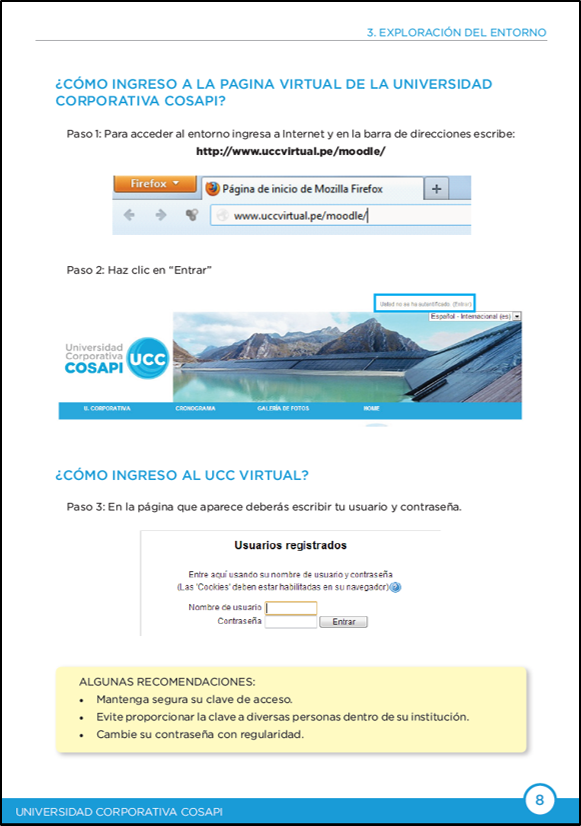
We helped COSAPI implement their Corporate University, we helped Graña & Montero create several learning programs to meet different development needs, and helped JJC Contractors implement their Corporate Management School. It is difficult to list how many courses, programs, learning games and tools we have created for construction contractors, but they are the best example of how our agency becomes richer and richer in knowledge as years go by.
Knowledge management strategies tend to be related to information technologies now a days, and many organizations make very important (and costly) efforts to create technical and commercial quick reference systems, CRM tools, project management virtual settings and the like, in order to have a “learning organization”. But what they usually have more trouble creating are deep knowledge management solutions.
We believe that education is the answer to deep knowledge retention, management and transfer. It is of critical importance to work with the most experienced executives and workers of the organization to create educational objects and elements that grant a great number of people access to knowledge that is usually kept only by a few experts.
How does a project manager get the client to pay for additional work beyond the scope of the initial contract? How does the commercial team calculate the budget and designs the proposal for a 100-million-contract? How does a project manager get everyone to meet the deadlines without breaking the budget? All these complex capacities can be learned and explained, but it requires educational work, very hard work.
Education is a very powerful strategy that generates important results in a 21st Century company:
It reduces the impact of employee turnover, because it helps to make the onboarding process more effective at all levels.
It reduces the impact of talent loss, because it retains the know-what and know-how developed by leaders.
It helps to extend successful experiences to the rest of the organization, making growth and continuous improvement more sustainable.
It strengthens performance, improves culture and creates transversal relationships along the company that, overall, make the company more competitive.