After our first 4 years of business, we were contacted by the Director of Education of Belcorp, a woman who knew the beauty business and their brands, L’BEL and Esika. She had the ambitious goal of differentiating their commercial strategy by the improvement of their salesforce competencies. But, BELCORP had some very important issues to solve in order to do that.
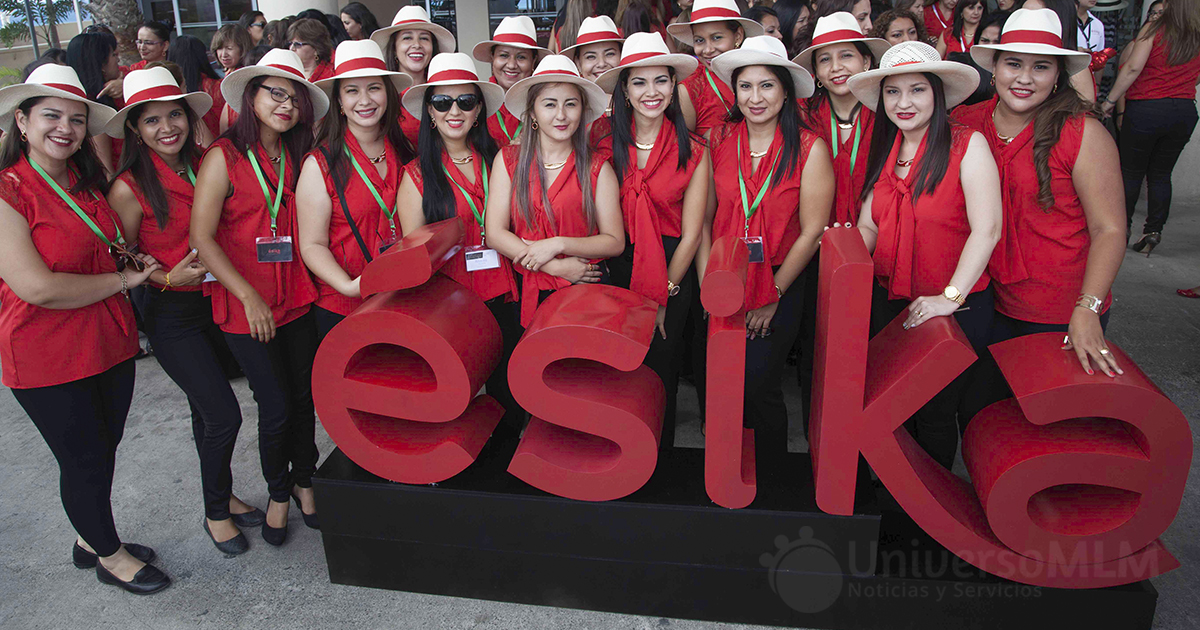
Their commercial strategy was focused on helping women become strong and independent through the developing of their small beauty business. In the present, BELCORP has become a $2 billion dollar business with one million of independent business women who sell their products to their personal networks. The key to their success: the Zone Managers.
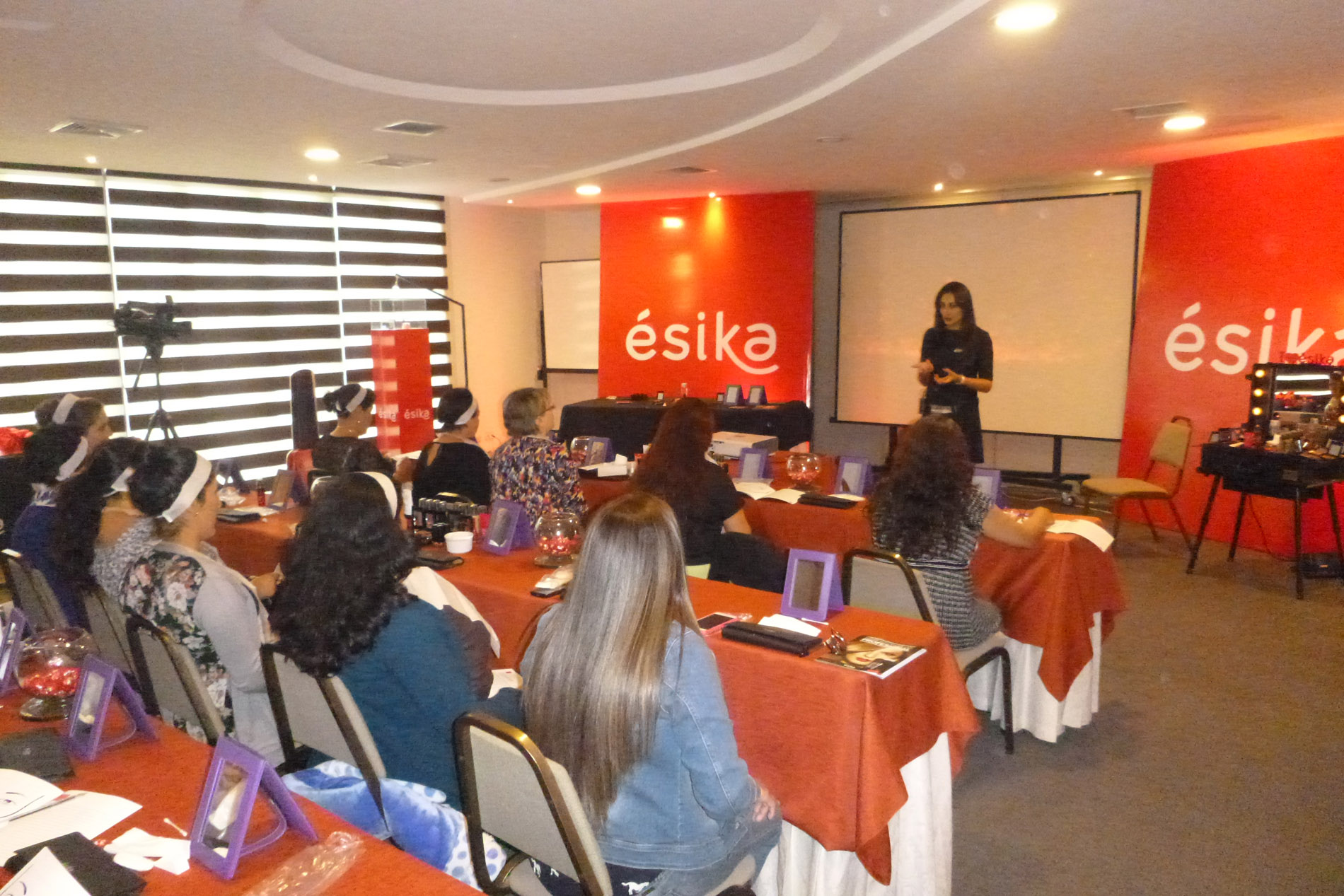
Zone Managers are strong-willed women who are part of their payroll but manage large groups of independent "beauty consultants" through weekly visits and meetings. Zone Managers need to be excellent in their relationship, communication and public speaking skills. So we developed an educational strategy to help them become the best communicators.
First, we travelled to all of the countries where they had operations and worked with the Regional Managers (the Zone Manager’s bosses) to help them become communication trainers. But, before that, we designed an e-learning platform for both, Zone Managers and Regional Managers, that included three key elements:
Videos of Latin American actors who taught video lessons on managing emotions, verbal and non-verbal communication, and public speaking.
Discussion forums where they could write and get support from us regarding the daily problems they faced.
Quick tests and field evaluations (the latter done by Regional Managers) required to keep being considered a Zone Manager.
The e-learning program was very successful and it made the organization increase the level to which they reached their large audiences and contributed to establish a cultural base line that contributed to business growth from $1 billion in 2009 to $2 billion in 2017.